What type of shade is best for gardens and patios?
What Type of Shade Is Best for Gardens and Patios?
Gardens and patios are valuable outdoor spaces where people can relax, entertain guests, enjoy meals, and spend time with family. However, direct sunlight, high temperatures, and changing weather conditions can make these areas uncomfortable. Installing the right shade structure helps create a cooler, more practical, and attractive outdoor environment.
Several shade options are available, including pergolas, retractable awnings, shade sails, gazebos, and fixed fabric structures. The best choice depends on the available space, desired level of protection, property design, and budget.
1. Pergolas: A Stylish Option for Gardens and Patios
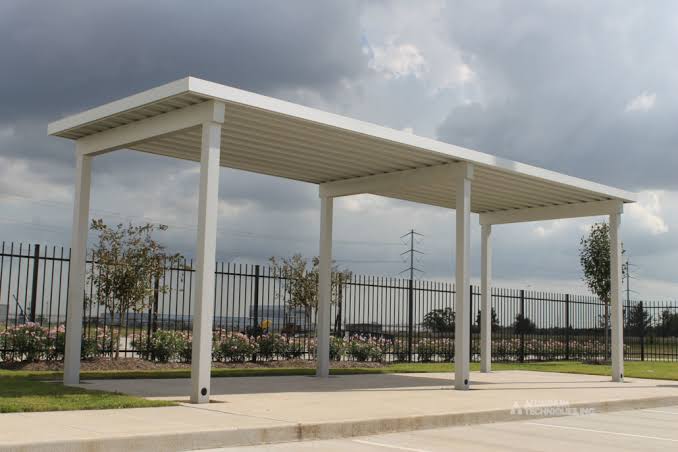
A pergola is a popular choice for homeowners who want to improve the appearance and usability of an outdoor area. It usually consists of vertical posts and a supporting framework with an open or partially covered roof.
Pergolas can be made from aluminium, steel, or wood. Some designs feature adjustable roof louvers that allow users to control the amount of sunlight entering the space.
Benefits of pergolas include:
- Attractive and modern appearance.
- Options for partial or adjustable shade.
- Suitable for outdoor dining and seating areas.
- Ability to add climbing plants, lighting, or curtains.
- Customisable sizes, colours, and designs.
A pergola with a suitable solid or adjustable roof can provide more protection than an open-frame design. In hot climates, choosing heat-resistant materials and sufficient coverage is important.
2. Shade Sails: Flexible and Modern Garden Shade
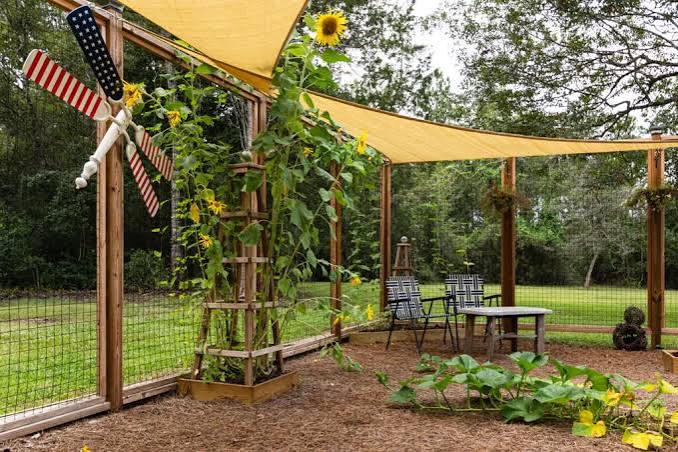
Shade sails are fabric coverings stretched between support posts or suitable structural attachment points. Their curved shapes create a contemporary appearance and make them suitable for gardens, patios, poolside areas, and outdoor seating spaces.
They are available in different sizes, shapes, and colours. Homeowners can combine multiple sails to cover larger areas or create decorative patterns.
Advantages of shade sails:
- Modern and visually appealing design.
- Flexible coverage options.
- Available in different fabric types and colours.
- Suitable for many outdoor layouts.
- Can provide effective UV protection when the correct fabric is selected.
However, shade sails need properly designed anchor points and suitable tensioning. Standard shade sails are not automatically waterproof, and their suitability for strong winds depends on the product and installation design.
3. Gazebos: A Defined Outdoor Living Space
A gazebo is a freestanding structure with a roof supported by posts. Depending on its design, it may have an open framework, decorative sides, or partially enclosed panels.
Gazebos are ideal for gardens where homeowners want a dedicated space for relaxing, entertaining guests, or enjoying meals outdoors.
Key benefits include:
- A clearly defined seating or entertainment area.
- A wide variety of shapes and roof designs.
- Options for wooden, metal, and fabric structures.
- Opportunities to add furniture, lighting, and decorative features.
- Potential protection from sunlight and rain, depending on the roof.
A permanent gazebo may require foundations and local approvals. Homeowners should select a roof and frame designed for the expected weather conditions.
4. Retractable Awnings: Adjustable Patio Protection
Retractable awnings are particularly useful for patios attached to houses, restaurants, and outdoor living areas. They are generally attached to an exterior wall and extend outward to provide shade.
The covering can be extended during sunny periods and retracted when shade is unnecessary.
Why choose a retractable awning?
- Adjustable shade coverage.
- Space-saving design.
- Suitable for balconies, patios, and outdoor dining areas.
- Available in manual and motorised versions.
- Wide selection of colours and fabrics.
Retractable awnings are not suitable for every weather condition. Strong winds can damage them, so users should follow the manufacturer’s operating limits and retract the awning when required.
5. Fixed Fabric Shades: Practical Coverage for Larger Areas
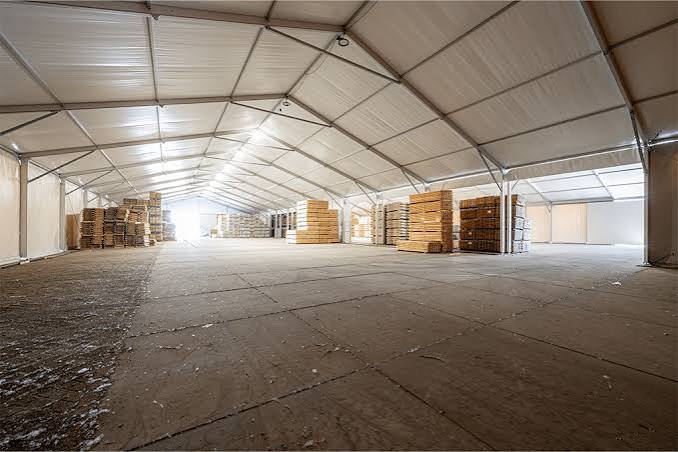
Fixed fabric shade structures provide permanent or semi-permanent coverage over selected outdoor spaces. They can be designed for gardens, playgrounds, seating areas, and large patios.
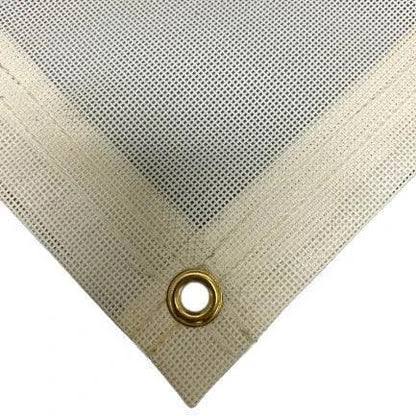
The frame may use steel or aluminium, while the covering can consist of HDPE shade fabric or another material suitable for outdoor use.
Main advantages include:
- Consistent shade throughout the day, depending on the design.
- Customisable dimensions and colours.
- Suitable for covering larger outdoor areas.
- Potentially effective protection against direct sunlight.
- Different design options for residential and commercial properties.
The structure should be designed to handle local wind conditions, and the fabric should offer suitable UV protection. A breathable shade fabric is different from a waterproof roofing material, so the intended use should guide the selection.
6. Which Shade Is Best for Hot Climates?
In hot climates such as the UAE, choosing a shade structure requires attention to heat, sunlight, wind, and occasional rain.
For example, a pergola with an adjustable roof can provide flexibility, while a properly selected shade sail may suit an open garden. A fixed fabric structure may be more appropriate when consistent coverage over a larger space is needed.
Consider the following factors:
- UV protection: Choose a covering with a stated UV-protection rating.
- Heat reduction: Consider the material, colour, ventilation, and amount of coverage.
- Wind resistance: Ensure the complete structure, including its anchors and foundations, is designed for the site.
- Water protection: Select a suitable waterproof roof if rain protection is required.
- Durability: Use outdoor-rated materials that resist corrosion, fading, and weather exposure.
- Maintenance: Choose a design that can be inspected and cleaned easily.
No single shade structure is best for every garden or patio. The right option depends on the specific requirements of the property.
7. What Should You Consider Before Choosing a Garden Shade?
Before purchasing or installing a shade structure, assess the following points.
Size and Layout
Measure the garden or patio to determine the required coverage. Consider the location of doors, windows, trees, pathways, and outdoor furniture.
Purpose
Decide whether the shade is primarily for relaxing, outdoor dining, entertaining guests, protecting plants, or covering a seating area.
Material and Design
Choose materials that suit the property’s appearance and expected weather conditions. Aluminium is often selected for its corrosion resistance and relatively low maintenance, while wood offers a natural appearance but may require more upkeep.
Installation Requirements
Check whether the structure needs foundations, wall attachments, drainage arrangements, or professional structural installation. For permanent structures, confirm whether local permission is required.
Budget
Compare the total cost of materials, installation, foundations, optional features, and ongoing maintenance rather than considering the purchase price alone.
Conclusion
The best shade for a garden or patio depends on the space, climate, design preferences, and required protection. Pergolas are excellent for creating stylish outdoor living areas, shade sails suit modern open spaces, gazebos provide dedicated seating areas, and retractable awnings offer adjustable patio coverage.
For larger gardens or patios that need consistent sun protection, a fixed fabric shade may be a practical option. By considering UV protection, durability, ventilation, wind resistance, and installation requirements, homeowners can choose a shade structure that makes their outdoor space more comfortable and functional.
Frequently Asked Questions
What is the most affordable type of garden shade?
Shade sails and simple fabric shade structures can be affordable options, although the final cost depends on size, material, support requirements, and installation.
Are pergolas suitable for patios?
Yes. Pergolas are commonly used over patios to create shaded seating and dining areas. Roof options determine how much sunlight and rain protection they provide.
Which garden shade provides rain protection?
A gazebo with a suitable solid roof, a waterproof-roof pergola, or a properly designed waterproof canopy can provide rain protection. Breathable shade fabrics may not be waterproof.
Can garden shades be customised?
Yes. Many shade structures can be customised in terms of dimensions, colour, roof style, materials, and additional features to suit the property.
Do garden shade structures require maintenance?
Yes. Regular cleaning and inspections help identify loose fittings, fabric damage, corrosion, and other problems before they become more serious.