What is PVC tarpaulin, and how is it manufactured?
What Is PVC Tarpaulin, and How Is It Manufactured?
PVC tarpaulin is a strong, flexible, and waterproof material commonly used for covering, protecting, and storing goods. It is made using polyvinyl chloride (PVC), a synthetic plastic material that provides resistance to water, sunlight, dust, and different weather conditions.
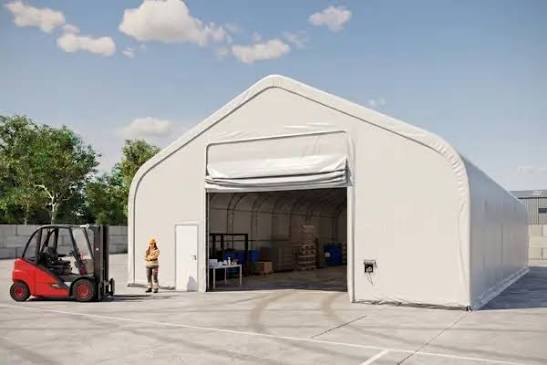
PVC tarpaulin is widely used in the UAE for truck covers, warehouse covers, outdoor tents, swimming pool covers, industrial curtains, temporary shelters, and construction sites. Its durability and availability in different thicknesses, colours, and sizes make it suitable for many commercial and industrial applications.
What Is PVC Tarpaulin Made Of?
PVC tarpaulin is generally manufactured using two main materials:
- Polyester fabric: Provides strength and acts as the base material.
- PVC coating: Covers the fabric to make it waterproof and improve its resistance to weather, chemicals, and wear.
Additional ingredients may be added during production to improve flexibility, UV resistance, colour, flame resistance, and other performance properties.
The combination of polyester fabric and PVC coating creates a flexible material that is stronger and more durable than many ordinary plastic sheets.
How Is PVC Tarpaulin Manufactured?
PVC tarpaulin manufacturing involves several stages. Each stage helps create a material that meets specific strength, flexibility, and protection requirements.
1. Preparing the Polyester Fabric
The manufacturing process begins with polyester yarn, which is woven into a strong fabric. This fabric acts as the internal supporting layer and gives the finished tarpaulin its tensile strength.
The fabric density and weaving pattern can vary depending on the intended application.
2. Preparing the PVC Coating
PVC resin is mixed with different additives to create a suitable coating compound. These additives may include plasticisers, stabilisers, pigments, and other ingredients.
The mixture is prepared according to the required flexibility, colour, durability, and weather-resistance specifications.
3. Applying the PVC Coating
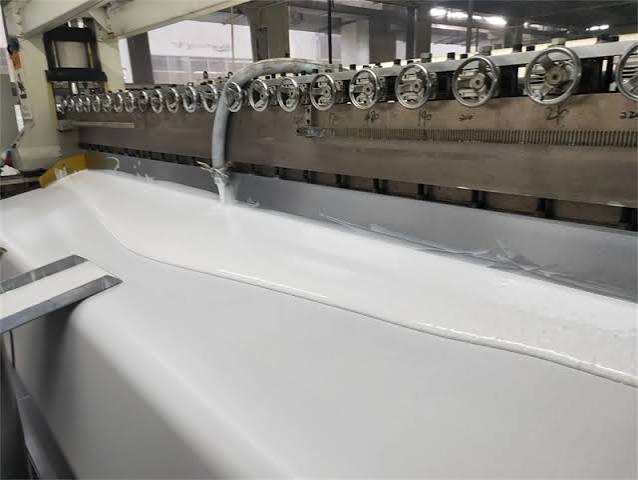
The PVC coating is applied to the polyester fabric using specialised industrial equipment. Common manufacturing methods include:
- Knife coating: A layer of PVC compound is spread across the fabric using a controlled coating blade.
- Lamination: PVC films are bonded to the polyester fabric using heat and pressure.
- Calendering: PVC material is processed through heated rollers to produce sheets or films that can be combined with the fabric.
The selected method depends on the product design and manufacturer.
4. Heat Treatment and Bonding
Heat and pressure help the PVC coating bond properly with the polyester base fabric. This creates a strong structure that reduces the risk of separation between the layers.
Temperature and processing conditions must be carefully controlled to maintain consistent quality.
5. Surface Finishing
After coating, additional finishing treatments may be applied to improve the material’s appearance and performance.
These treatments can provide:
- UV resistance
- Improved flexibility
- Better surface protection
- Enhanced colour consistency
- Easier cleaning
Some products also receive specialised treatments for flame resistance or other industrial requirements.
6. Quality Testing
The finished PVC tarpaulin is inspected and tested before it is supplied to customers. Common quality checks include:
- Waterproof performance
- Tensile strength
- Tear resistance
- Thickness and weight
- Coating adhesion
- UV resistance, where specified
These tests help ensure that the material meets the required standards for its intended use.
7. Cutting, Packaging, and Supply
Finally, the finished material is cut into rolls or customised dimensions. It may also be supplied with reinforced edges, eyelets, or welded seams depending on customer requirements.
The tarpaulin is then rolled, packaged, and prepared for delivery.
What Are the Main Uses of PVC Tarpaulin?
PVC tarpaulin is used across different industries because it provides protection against water, dust, sunlight, and outdoor conditions.
1. Truck and Vehicle Covers: Used to protect transported goods from rain, dust, and sunlight during transportation.
2. Warehouse Covers: Suitable for temporary storage areas and industrial covering applications.
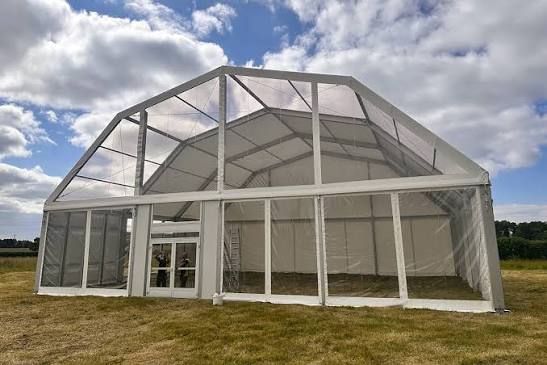
3. Outdoor Tents: Used in temporary shelters, event tents, exhibition structures, and industrial tents.
4. Construction Sites: Helps cover building materials, equipment, and machinery.
5. Swimming Pool Covers: Certain PVC tarpaulin products are designed to cover swimming pools and protect them from leaves and dust.
6. Industrial Curtains: Used to separate work areas and provide protection in factories and warehouses.
7. Agricultural Applications: Can be used for covering equipment, materials, and selected storage areas.
What Are the Benefits of PVC Tarpaulin?
PVC tarpaulin offers several advantages for commercial and industrial users.
- Waterproof protection: Helps prevent water from reaching covered materials.
- Durability: Polyester reinforcement provides strength for demanding applications.
- Weather resistance: Suitable grades can withstand outdoor exposure and UV radiation.
- Flexibility: Can be folded, rolled, transported, and installed.
- Customisation: Available in different colours, thicknesses, weights, and dimensions.
- Easy maintenance: Most PVC-coated surfaces can be cleaned with suitable cleaning methods.
- Versatile applications: Suitable for transportation, construction, agriculture, storage, and outdoor structures.
Is PVC Tarpaulin Suitable for the UAE Climate?
Yes. PVC tarpaulin can be suitable for the UAE’s hot and sunny climate when the correct grade is selected.
However, not every PVC tarpaulin product offers the same level of heat and UV resistance. Buyers should consider the following factors:
- Choose UV-resistant material for long-term outdoor use.
- Select a suitable thickness and fabric strength for the application.
- Check the manufacturer’s temperature-resistance specifications.
- Use reinforced edges and strong fastening systems where required.
- Ensure proper installation to reduce wind-related damage.
- Clean the surface regularly to remove dust and sand.
For large outdoor structures and industrial applications, professional installation and material selection are particularly important.
Frequently Asked Questions
1. Is PVC tarpaulin completely waterproof?
PVC-coated tarpaulin is designed to provide waterproof protection. However, seams, stitching, eyelets, and damaged areas can allow water to enter if they are not properly sealed.
2. What is the difference between PVC tarpaulin and PE tarpaulin?
PVC tarpaulin generally uses a polyester fabric base with a PVC coating, while PE tarpaulin is commonly made from woven polyethylene with laminated surfaces. PVC products are often selected for heavier-duty applications, while PE tarpaulin is commonly used for lighter and more economical covering needs.
3. Can PVC tarpaulin be customised?
Yes. It can be manufactured or supplied in different colours, thicknesses, weights, widths, and lengths. It can also be cut and fabricated into customised covers, curtains, and tents.
4. Does PVC tarpaulin resist sunlight?
Many PVC tarpaulin products include UV-resistant additives or treatments. The level of protection depends on the material specification and quality.
5. How long does PVC tarpaulin last?
Its lifespan depends on material quality, thickness, UV protection, installation, usage, and maintenance. Products used outdoors under strong sunlight may experience faster ageing than those used indoors.
Conclusion
PVC tarpaulin is a versatile waterproof material made by combining a polyester fabric base with PVC coating. Its manufacturing process includes fabric preparation, PVC coating, heat bonding, surface finishing, quality testing, and packaging.
Because of its strength, flexibility, and weather-resistant properties, it is widely used for truck covers, industrial storage, tents, construction sites, and outdoor protection. For UAE applications, choosing the correct material specification is essential for achieving reliable performance and long-term use.