What is the difference between canvas and PVC tarpaulin?
When choosing a tarpaulin for outdoor protection, storage, transportation, construction, or commercial use, two common options are canvas tarpaulin and PVC tarpaulin. Although both are designed to provide protection from weather and environmental conditions, they differ significantly in material, durability, waterproofing, flexibility, maintenance, and ideal applications.
Understanding the difference between canvas and PVC tarpaulin can help you select the right covering for your specific needs.
What Is Canvas Tarpaulin?
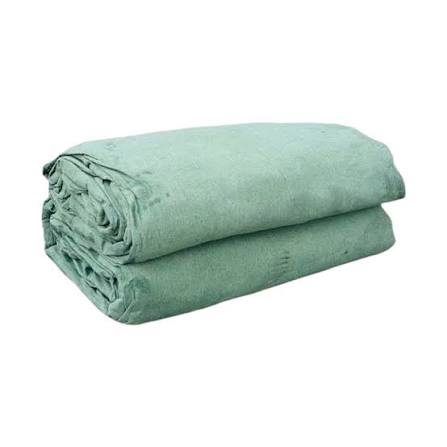
Canvas tarpaulin is generally made from woven fabric, commonly cotton or a cotton-polyester blend. The fabric can be treated with coatings or waterproofing solutions to improve its resistance to moisture and outdoor conditions.
Canvas is known for its natural appearance, breathability, flexibility, and strong woven construction. It is often selected when ventilation and a fabric-like finish are important.
Canvas tarpaulins are commonly used for:
- Equipment covers
- Temporary shelters
- Outdoor storage
- Vehicle covers
- Agricultural applications
- Camping and recreational purposes
- Construction projects
- Industrial covers
However, untreated canvas is not naturally waterproof. Its water resistance depends on the fabric type and any protective treatment applied to it.
What Is PVC Tarpaulin?
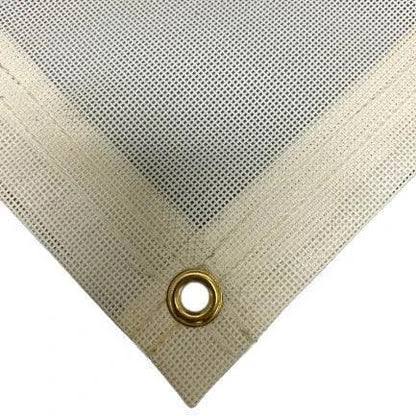
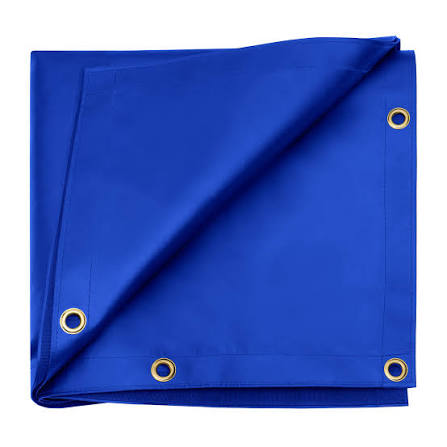
PVC tarpaulin is made from a fabric base, usually polyester, coated with polyvinyl chloride (PVC). This construction creates a strong and highly resistant material designed for demanding outdoor and industrial applications.
PVC tarpaulin is widely used where waterproofing, durability, and resistance to harsh environmental conditions are priorities.
Typical applications include:
- Truck and trailer covers
- Industrial curtains
- Construction covers
- Warehouse partitions
- Outdoor shelters
- Machinery protection
- Swimming pool covers
- Advertising banners
- Temporary structures
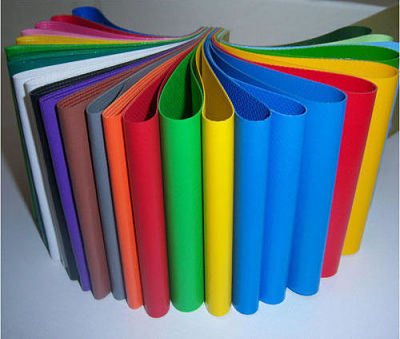
PVC-coated tarpaulins are available in different thicknesses, weights, colors, and finishes depending on the intended application.
Canvas vs. PVC Tarpaulin: Key Differences
The main differences between canvas and PVC tarpaulin can be seen in their construction and performance.
| Feature | Canvas Tarpaulin | PVC Tarpaulin |
|---|---|---|
| Material | Woven fabric, often cotton or blended fabric | Polyester fabric with PVC coating |
| Waterproofing | Usually depends on treatment | Generally highly waterproof |
| Breathability | Better | Lower |
| Durability | Good | Very high |
| Flexibility | Soft and flexible | Flexible but heavier and more rigid |
| Maintenance | May require more care | Generally easy to clean |
| Weather resistance | Depends on treatment | Strong resistance to outdoor conditions |
| Common use | General and breathable covers | Heavy-duty and industrial applications |
| Appearance | Natural fabric appearance | Smooth or coated appearance |
Which Is More Waterproof?
If waterproofing is your main concern, PVC tarpaulin is generally the better choice.
Its PVC coating creates a protective barrier that prevents water from easily passing through the material. This makes it suitable for applications where the covered items need strong protection from rain and moisture.
Canvas can also be water-resistant or waterproof when properly treated, but its performance depends heavily on the fabric and treatment used.
Which Is More Durable?
Both materials can be durable, but PVC tarpaulin is often preferred for heavy-duty applications.
PVC-coated fabric can provide strong resistance to moisture, abrasion, and outdoor exposure. The actual lifespan still depends on factors such as material thickness, quality, installation, sunlight exposure, wind, and frequency of use.
High-quality canvas can also provide excellent durability, particularly when it is properly maintained and used in suitable conditions.
Canvas or PVC: Which Is More Breathable?
Canvas generally offers better breathability than PVC.
The woven structure of canvas allows more air movement through the material, depending on its construction and treatment. This can be useful when covering items that need ventilation.
PVC tarpaulin is much less breathable because its coating creates a more sealed surface. This is useful for waterproofing but may not be ideal when ventilation is the primary requirement.
Which Tarpaulin Is Better for Outdoor Use?
The best option depends on the type of outdoor application.
Choose PVC tarpaulin when you need:
- Strong waterproofing
- Heavy-duty protection
- Easy cleaning
- Resistance to demanding outdoor conditions
- Protection for vehicles and machinery
- Industrial or commercial covering
Choose canvas tarpaulin when you need:
- Better breathability
- A fabric-like appearance
- Flexible handling
- General-purpose protection
- Camping or recreational covers
- Applications where ventilation matters
Which One Is Easier to Maintain?
PVC tarpaulin is generally easier to maintain. Dirt and surface debris can often be removed with water and a suitable cleaning method.
Canvas requires more attention, particularly if it has been exposed to moisture. Proper drying is important because storing damp fabric can contribute to mold, mildew, and unpleasant odors.
Regardless of material, tarpaulins should be cleaned, dried, folded appropriately, and stored in a dry location when not in use.
Is Canvas or PVC Tarpaulin Better for Trucks?
For trucks and trailers, PVC tarpaulin is commonly preferred because it offers strong waterproofing and durability. It can protect cargo from rain, dust, sunlight, and other outdoor conditions.
The correct thickness and fabric strength should be selected according to the type of cargo, vehicle, weather conditions, and frequency of use.
Is PVC Tarpaulin Better Than Canvas?
There is no single answer because each material serves different purposes.
PVC tarpaulin is usually the better option for waterproof, heavy-duty, industrial, and commercial applications. Canvas may be more suitable where breathability, flexibility, and a natural fabric finish are more important.
Instead of choosing based only on price, consider the environment in which the tarpaulin will be used and the level of protection required.
How to Choose the Right Tarpaulin
Before purchasing a tarpaulin, consider these factors:
1. Weather Conditions
For frequent rain or humid conditions, a waterproof PVC tarpaulin can provide strong protection.
2. Intended Use
Determine whether you need the tarpaulin for transportation, construction, agriculture, storage, camping, or another purpose.
3. Required Strength
Heavy equipment and commercial applications may require a stronger, thicker material.
4. Ventilation
If airflow is important, canvas may be more appropriate.
5. Frequency of Use
For frequent outdoor and industrial use, consider a material designed for repeated handling and exposure.
6. Maintenance
Consider how easily the material can be cleaned, dried, repaired, and stored.
Final Thoughts
The difference between canvas and PVC tarpaulin mainly comes down to their construction and performance. Canvas provides a breathable, flexible fabric option, while PVC tarpaulin offers excellent waterproofing and strong performance for demanding applications.
If your priority is heavy-duty waterproof protection, PVC tarpaulin is usually the more practical choice. If you need breathability and a traditional fabric material, canvas may be a better fit.
The right tarpaulin ultimately depends on your application, weather conditions, required durability, and budget. Comparing these factors before purchasing can help you choose a covering that provides reliable protection and good long-term value.