Is Polyethylene Tarpaulin Really Waterproof?
Yes, quality polyethylene (PE) tarpaulins are designed to be waterproof. The material itself—woven high-density polyethylene fabric laminated with low-density polyethylene coating on both sides—creates a barrier that water cannot penetrate under normal conditions. This is why PE tarpaulins are widely used across the UAE for protecting cargo, covering construction sites, sheltering outdoor equipment, and managing rainwater during the rainy season.
However, not every tarpaulin provides the same level of water protection. The difference between a genuinely waterproof tarpaulin and a water-resistant one can mean the difference between dry goods and water damage. Understanding how PE tarpaulins are made, what affects their performance, and how to install them properly helps you get the protection you need.
What Is Polyethylene Tarpaulin?
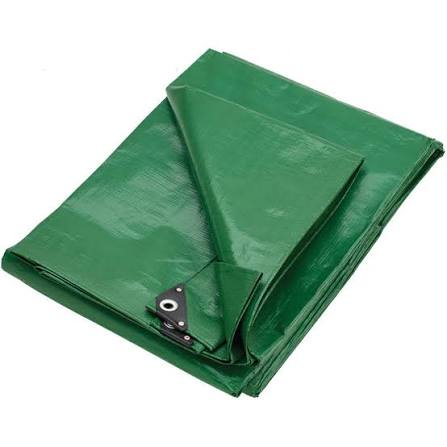
Polyethylene tarpaulin is a strong, flexible plastic sheet made from polyethylene—one of the most common plastics in the world. The typical construction involves a three-layer structure: a woven mesh fabric made from high-density polyethylene (HDPE) fibers, sandwiched between two layers of low-density polyethylene (LDPE) coating.
The woven inner layer provides tear resistance and tensile strength. The outer laminated layers create the waterproof barrier. This combination gives PE tarpaulins their characteristic properties: lightweight, durable, resistant to rot and mildew, and capable of repelling water.
Manufacturers produce PE tarpaulins in various weights, measured in grams per square meter (gsm). Common weights range from 60 gsm for light-duty applications to 200 gsm or more for heavy-duty use. The weight directly affects durability and water resistance.
Is Polyethylene Tarpaulin Waterproof?
A properly manufactured polyethylene tarpaulin with intact coating and sealed seams is waterproof. Water will not pass through the laminated layers of a quality PE tarp.
However, waterproof performance depends on the product’s construction and condition. The fabric itself may be waterproof, but areas such as seams, stitching, hems, and attachment points can become entry points for water if not properly finished. A tarp that has been punctured, torn, or worn thin will also leak.
It is important to distinguish between the fabric’s inherent waterproof properties and the finished product’s overall performance. A roll of PE fabric may be waterproof, but a finished tarpaulin with sewn seams that are not heat-sealed or properly reinforced may allow water to seep through the stitch holes.
What Makes a Tarpaulin Waterproof?
Several construction factors determine whether a PE tarpaulin delivers genuine waterproof protection:
- PE coating or lamination: The LDPE coating on both sides of the woven fabric creates the primary water barrier. Thicker, more uniform coating provides better protection.
- Fabric density: Higher weave density (measured in mesh count, such as 12×12 or 14×14) creates a tighter fabric that resists water penetration more effectively.
- Thickness (gsm): Heavier tarpaulins (150–200 gsm and above) generally offer better durability and water resistance than lightweight 60–100 gsm options.
- Heat-sealed seams: Seams that are heat-sealed rather than simply stitched create a continuous waterproof bond. Sewn seams without sealing create small holes where water can enter.
- Quality of stitching: Even when seams are sealed, poor stitching can compromise the tarp’s structural integrity under stress.
- Reinforced edges: Hems with rope reinforcement prevent edge fraying and provide anchor points that distribute tension.
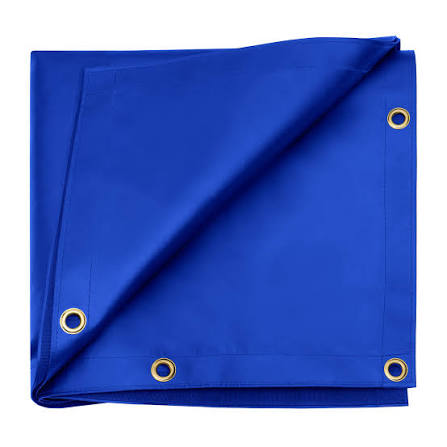
- Eyelet construction: Rustproof aluminum or brass grommets, properly spaced and securely attached, allow for tight, reliable fastening without creating tear points.
- Overall manufacturing quality: Consistent coating thickness, proper lamination, and quality control during production all contribute to waterproof performance.
Waterproof vs. Water-Resistant Tarpaulin
These terms are often used interchangeably in casual conversation, but they describe significantly different levels of water protection.
Waterproof means the material completely blocks water penetration. A waterproof tarpaulin can be submerged and will remain impermeable. Waterproof tarps are recommended for construction sites, industrial applications, and covering items that must stay completely dry.
Water-resistant means the material can repel water for a limited time but will eventually absorb moisture or allow seepage under sustained exposure. Canvas tarps treated with wax or oil are water-resistant, not waterproof. If water pools on a water-resistant tarp, it will eventually seep through.
Water-repellent describes a surface treatment that causes water to bead and roll off. This is a temporary effect that diminishes with use and cleaning.
PE tarpaulins are typically classified as waterproof, while canvas tarps are water-resistant. However, a low-quality PE tarp with poorly sealed seams may perform more like a water-resistant product. Always check manufacturer specifications rather than relying on general material categories.
Can Polyethylene Tarpaulin Handle Heavy Rain?
A properly manufactured PE tarpaulin can provide effective rain protection, but performance depends on several installation and environmental factors:
- Rain intensity: Light to moderate rain is easily repelled. Intense, wind-driven rain may find entry points at seams or edges.
- Installation angle: A slope of at least 15–20 degrees allows water to run off. Flat installation encourages pooling.
- Water pooling: Standing water creates sustained pressure on seams and coating. Even a waterproof fabric can leak if water collects and weighs down the tarp.
- Seam quality: Heat-sealed seams maintain waterproof integrity. Sewn-only seams may allow water through stitch holes.
- Damage or holes: Punctures, abrasion, and UV degradation create pathways for water.
- Duration of exposure: Extended rain exposure tests every component of the tarp.
- Proper tensioning: A tightly tensioned tarp sheds water more effectively than a loose one that sags.
Standing water is the most common cause of “waterproof” tarp failure. Even if the fabric doesn’t leak, the weight of pooled water can stretch the material, stress seams, and eventually cause structural failure.
Is Polyethylene Tarpaulin Suitable for the UAE Climate?
PE tarpaulins are widely used across the UAE for applications including:
- Construction site covering: Protecting materials and partially completed structures from rain and dust.
- Temporary storage protection: Covering equipment, supplies, and inventory stored outdoors.
- Outdoor equipment: Shielding vehicles, machinery, and tools from sun and rain.
- Camping: Ground sheets, shelter covers, and emergency protection.
- Landscaping: Covering soil, plants, and materials.
- Transport and cargo covering: Securing loads on trucks and trailers.
- Event structures: Temporary canopies, shade covers, and weather protection.
UAE conditions present specific challenges: intense sunlight, high temperatures, dust, and occasional heavy rain events. UV exposure degrades polyethylene over time, making the material brittle and prone to cracking. Heat accelerates this degradation. Dust can work into seams and eyelets, causing abrasion. Wind during storms can stress fastening points and tear poorly secured tarps.
When selecting a PE tarpaulin for UAE use, look for products with UV stabilization treatment and check manufacturer specifications for expected performance under local conditions.
How to Make a Polyethylene Tarpaulin More Effective Against Rain
Proper installation dramatically improves a tarpaulin’s rain performance:
- Create a suitable slope so water runs off rather than pooling. Even a gentle pitch helps.
- Keep the tarp properly tensioned using ropes through eyelets or bungee cords. Avoid over-tensioning, which can tear eyelets.
- Avoid water pooling by supporting the tarp underneath with poles, frames, or other structures.
- Secure edges and corners correctly so wind cannot lift the tarp and expose what’s underneath.
- Inspect seams and eyelets before installation. Repair any damage with appropriate tarp repair tape or patches.
- Repair holes or damaged areas promptly to prevent small issues from becoming large leaks.
- Avoid placing sharp objects directly underneath the tarp. Pad corners and protrusions that could puncture the material.
How Long Does a Polyethylene Tarpaulin Stay Waterproof?
Waterproof performance decreases over time due to several factors:
- UV exposure: Sunlight degrades polyethylene, making it brittle and causing coating deterioration.
- Heat: High temperatures accelerate material aging.
- Abrasion: Rubbing against surfaces, folding, and handling wear down the coating.
- Punctures and tears: Physical damage creates direct water pathways.
- Chemical exposure: Some chemicals can degrade polyethylene.
- Poor storage: Folding wet tarps or storing them in hot, sunny conditions promotes degradation.
There is no universal lifespan for PE tarpaulins. A heavy-duty tarp used occasionally and stored properly may last several years. A lightweight tarp exposed to constant UAE sun may degrade in months. Check manufacturer specifications for expected performance, and inspect your tarps regularly for signs of wear.
How to Choose a Waterproof Polyethylene Tarpaulin
Before purchasing a PE tarpaulin, consider these factors:
- Intended use: Will it cover a truck, protect construction materials, or serve as a camping shelter? Match the tarp to the application.
- Tarpaulin size: Measure the area you need to cover and allow extra for overhang and fastening.
- Fabric weight/thickness: Choose 60–100 gsm for light duty, 150–200 gsm for heavy duty, and higher for demanding applications.
- Coating or lamination: Verify that the tarp has LDPE coating on both sides. Thicker coating provides better water protection.
- Seam construction: Heat-sealed seams are superior for waterproofing. Check product specifications.
- Reinforced edges: Look for rope-reinforced hems that resist tearing at stress points.
- Eyelet quality: Rustproof aluminum or brass grommets spaced at reasonable intervals (typically 50–100 cm) provide secure fastening.
- UV resistance: For UAE use, UV stabilization is essential. Check manufacturer claims and reviews.
- Weather conditions: Consider the exposure your tarp will face—sun, wind, rain intensity, and duration.
- Manufacturer specifications: Read the product details carefully. Water resistance level, material composition, and weight should be clearly stated.
Polyethylene tarpaulins can be genuinely waterproof when manufactured to quality standards with proper coating, sealed seams, and reinforced construction. For UAE homeowners, businesses, and outdoor enthusiasts, a quality PE tarp provides reliable protection against rain when installed correctly and maintained properly. The key is to verify the product’s specifications, understand the difference between waterproof and water-resistant, and take care of your tarp so it continues performing when you need it most.